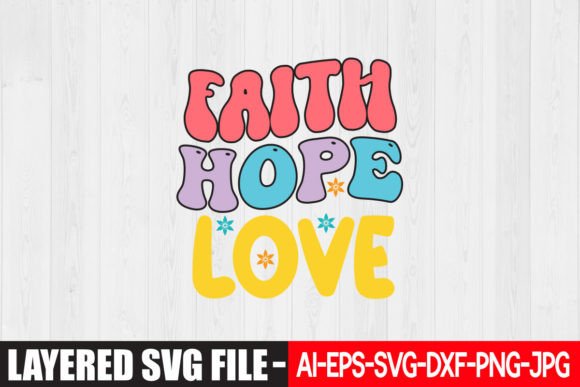
Using Faith Hope Love Retro Design in Real Embroidery Projects
As an experienced designer and embroidery product reviewer, I’ve tested countless digital designs for their real-world usability. Faith Hope Love Retro Design caught my attention not just because of its nostalgic theme, but also for how it translates into tangible, handmade products. This word art design is more than a pretty graphic—it’s a versatile tool that can add charm and sentiment to a wide range of items, especially when used with intention and care.
A First Look at the Visual Appeal
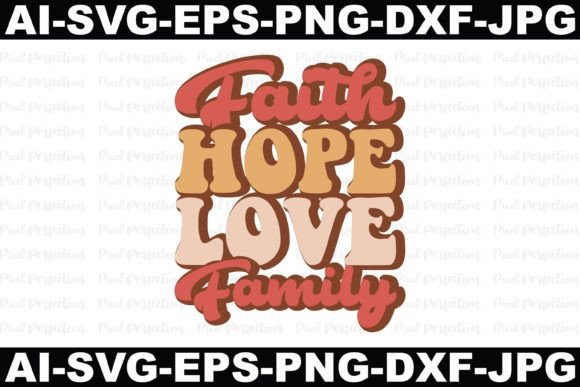
The moment I opened the digital embroidery file, I was struck by the warm, vintage aesthetic of Faith Hope Love Retro Design. The layout features three bold words arranged in a classic, curved style—ideal for creating a balanced composition on both flat and slightly curved surfaces. The font has a hand-drawn quality that feels authentic, as if it were lifted from a mid-century sign or a well-loved book cover. It exudes positivity and timeless appeal, making it a great fit for projects targeting sentimental themes like weddings, baby showers, or holiday gifts.
I appreciated how the spacing between the letters allowed room for customization without feeling cramped. For those working in machine embroidery design, this kind of openness is essential. Too often, dense text designs can become muddled when scaled down or stitched onto less-than-ideal materials. Here, the visual clarity holds up across different applications, provided you respect the scale and context of each project.
Real-Life Application: A Tote Bag Project
To evaluate the practicality of Faith Hope Love Retro Design, I decided to apply it to a custom tote bag design. These are popular among Etsy sellers and small shop owners who want to offer personalized yet durable products. I imported the design into my software and adjusted the size to fit the 9x12 inch hoop I had available. The result was impressive—each letter retained its character while fitting neatly within the space.
I chose a two-tone color scheme using thread colors that contrasted nicely against the light canvas fabric. The satin stitch outlines gave the design a polished edge, while the inner fill maintained a soft, retro feel. After stitching, the tote looked professional and inviting. Customers would likely appreciate the uplifting message and the clean, confident execution. It's a design that speaks volumes without needing much else around it.
What Works Well
- Custom Apparel: The design reads well on sweatshirts and t-shirts, especially when placed centrally. Its simplicity allows for easy layering with other elements like borders or small icons.
- Baby Items: On onesies or bibs, the phrase adds a heartfelt touch. However, due to the size of the text, I’d recommend scaling it appropriately for smaller garments.
- Patches and Aprons: As an embroidered patch, it looks charming and works well as a decorative accent on aprons or jackets. The retro vibe complements rustic or farmhouse styles beautifully.
- Commercial Use: The design could easily be part of a cohesive brand identity for boutique shops or small businesses focusing on lifestyle products. It brings a sense of authenticity and warmth that many customers respond to.
Where Caution Is Advised
While Faith Hope Love Retro Design is visually appealing and functional, there are certain scenarios where it may require extra preparation or even reconsideration:
- Small Hoop Sizes: If you’re working with limited space, such as on caps or tiny patches, the design might lose its impact unless carefully resized. Always confirm your machine’s capabilities before finalizing the placement.
- Textured or Stretchy Fabrics: On materials like denim or stretchy knits, the fine lines of the letters can get distorted. Test the design on a scrap piece first and consider adjusting stitch density or using a stabilizer to maintain integrity.
- Dark Backgrounds: While the design looks stunning on white or pastel fabrics, dark backgrounds can make the text harder to see. Consider using a contrasting thread color or adding a subtle shadow effect to enhance visibility.
- Curved Surfaces: Placing this design on a cap or curved surface will require some manipulation in the software. Take time to warp the design correctly and ensure that each letter remains legible after stitching.
- Products That Require Frequent Washing: Because of the nature of applique design, frequent washing may affect the longevity of the stitches. Recommend using high-quality threads and appropriate backing to prevent fraying over time.
Design Integrity and Stitch Quality
One of the things I look for in any embroidery file is whether it maintains its visual and structural integrity post-stitching. Faith Hope Love Retro Design does well in most cases, but there are a few areas where it demands closer attention:
- Letter Detail: The curvatures and serifs in the letters are delicate. When working with thin or stretchy fabrics, these details may not hold up without proper support.
- Stitch Density: The fill patterns are consistent, but they can become too tight if scaled down. Adjusting the density manually in your software ensures the design breathes properly and doesn’t pucker or strain the fabric.
- Contrast Testing: Before going all-in, I always create a black-and-white mockup to see how the design stands out against various fabric types. This helps avoid situations where the thread color doesn’t pop enough.
Practical Designer Notes
If you're planning to use Faith Hope Love Retro Design in your next handmade product, here are some tips to keep in mind:
- Test on Scrap Fabric: Always do a trial run before committing to a full production batch. Especially for commercial embroidery projects, this step can save time and materials.
- Review Thread Colors: Choose colors that reflect the design’s mood while ensuring visibility. Metallic or variegated threads can enhance the retro feel, but may complicate the overall stitch consistency.
- Check Compatibility: Though compatible with Cricut Explore, Silhouette, and similar machines, always verify that your specific cutting program supports the file format. If unsure, contact the seller for clarification.
- Confirm Licensing: If you plan to sell finished items or digital products based on this design, double-check the licensing terms. Many free files have restrictions, so it's important to stay compliant, especially in the craft business or Etsy marketplace.
- Use Proper Stabilizer: Depending on your fabric choice, opt for tear-away, wash-away, or cut-away stabilizers to prevent distortion and ensure clean edges.
Enhancing the Final Product
This design works particularly well when paired with complementary elements like floral accents, geometric borders, or minimalist illustrations. For holiday embroidery or wedding gift ideas, adding seasonal motifs or subtle metallic highlights can elevate the overall presentation. But remember—less is more. Don’t overcrowd the design; let it shine as the focal point.
In terms of product value, this design adds a meaningful touch that can justify a slight price increase. Whether you're selling sweatshirt embroidery or creating personalized gifts, the emotional resonance of "Faith, Hope, Love" can significantly boost buyer engagement and perceived quality.
Final Thoughts for Crafters and Business Owners
Faith Hope Love Retro Design is a strong addition to any embroiderer’s design library. It’s not just about what looks good in the preview—it’s about how it behaves under pressure, on different materials, and in customer hands. With the right adjustments and thoughtful application, it can turn a simple embroidered patch into a standout item or transform a plain tote bag into a statement piece.
For creative entrepreneurs and small shop product creators, this design offers a reliable foundation for building themed collections. Its retro charm aligns well with artisanal aesthetics and can help establish a recognizable brand identity, especially when used consistently across multiple design assets.
Ultimately, the success of Faith Hope Love Retro Design lies in how well you adapt it to your materials and market. Take the time to test, adjust, and understand its limitations—and you’ll find it to be a valuable asset in your embroidery project toolkit.