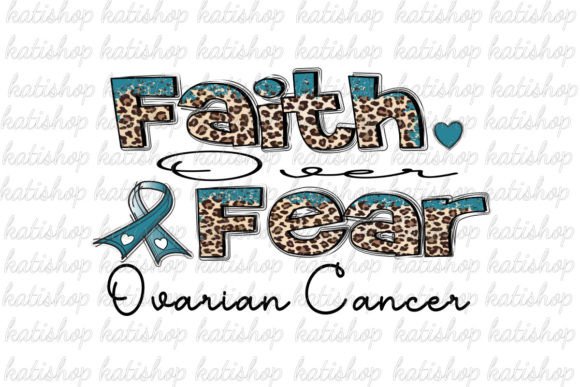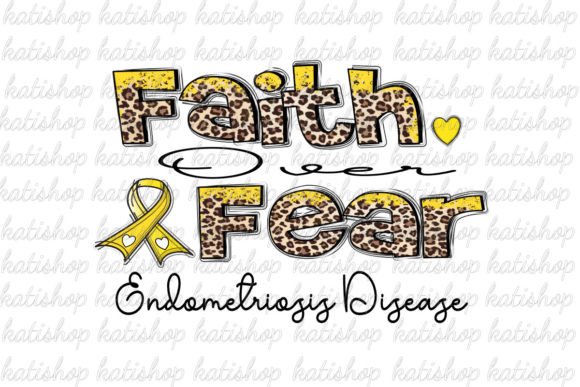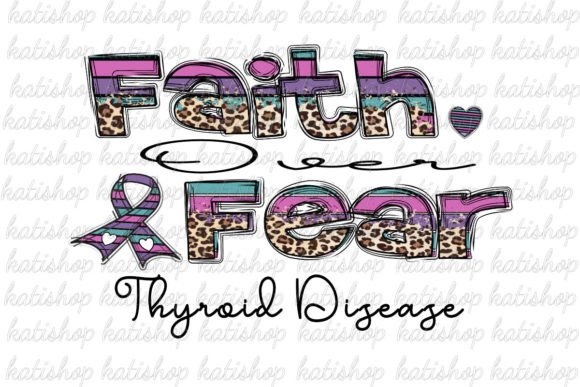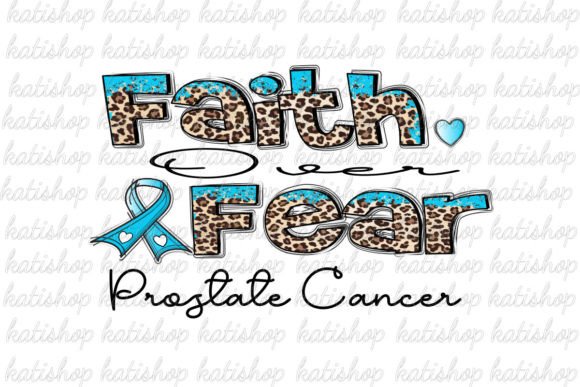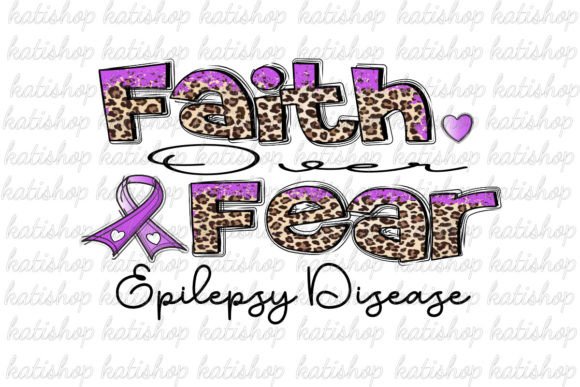
Reviewing Faith over Epilepsy Disease Sublimation
As an experienced embroidery designer and product reviewer, I’ve seen my fair share of digital design files. When I first opened the “Faith over Epilepsy Disease Sublimation” PNG file, I was immediately struck by its clarity and emotional weight. The composition is clean but powerful—simple enough to work on a variety of items, yet meaningful enough to stand out in both personal and commercial projects. This is not just another graphic for sublimation; it's a design that tells a story through visual form.
First Impressions and Design Feel
The faith over epilepsy disease theme is clearly the heart of this design. It uses bold, well-balanced typography paired with subtle imagery that conveys hope and resilience without being overwhelming. The layout is centered, which gives it a grounded and intentional feel—perfect for handmade products where the design needs to be easily recognizable at a glance.
I appreciated the 300DPI resolution right away. At that quality, even if you scale the image slightly for different item sizes, the details remain sharp and legible. There’s no pixelation or distortion when printed onto fabric using sublimation techniques. For anyone planning to use this as part of a craft business, especially for custom apparel or personalized gifts, this is reassuring.
Real-Life Use Scenarios
Let’s say you’re preparing a custom embroidered tote bag for a boutique line focused on empowering health-conscious communities. The “Faith over Epilepsy Disease Sublimation” design would fit beautifully here. Its message is clear and compassionate, and the visual style complements soft pastel tones often used in wellness-themed merchandise.
For sweatshirt embroidery, the design maintains its impact even when stretched across larger surfaces. The text remains readable, and the supporting graphics retain their integrity. On pillow covers, it adds a thoughtful touch—something your customers might gift to loved ones who are living with epilepsy or simply appreciate uplifting messages.
This design also works well for holiday gifts. Imagine a personalized mug with the phrase “Faith over Epilepsy Disease” subtly integrated into a winter scene. The contrast between the warm sentiment and the cold season can make for a compelling visual narrative. That said, I’d suggest using it more as a background element or secondary motif rather than the focal point unless the main artwork supports it.
Where It Shines: Personalized Gifts and Small Shop Merchandise
One of the standout features of this design is how it feels like a genuine handmade product despite being digital. That’s a rare trait in many sublimation-ready files, which tend to look too flat or generic. The texture in the design elements adds depth, making it ideal for Etsy sellers looking to offer something unique yet accessible.
If you're running a small shop and want to create commercial embroidery pieces that speak to specific audiences, this could be a strong asset. It’s versatile enough for t-shirts, mugs, and bags, but also has the potential to be layered into other design assets—think patches for denim jackets or decorative accents on aprons. Just make sure the rest of your branding aligns with the tone and aesthetic of the design before committing.
Design Limitations and Considerations
While the machine embroidery design looks great on paper (or screen), there are a few real-world factors to consider before moving forward. If you plan to stitch this directly via embroidery machine, keep in mind that the file provided is a PNG—not a vector-based embroidery file like .PES or .JEF. You’ll need to trace or convert it carefully if you intend to use it in a stitched format.
Also, because the design contains fine lines and possibly intricate lettering, it may not hold up well on very small hoop sizes or curved surfaces such as caps or hats. These areas require tight stitch control and precise alignment, so I recommend testing it on scrap fabric before finalizing any project.
When using it on stretchy or thin fabrics, especially for baby embroidery, extra attention must be paid to stabilizer use and thread colors. The design’s visual appeal relies on contrast, so ensure that the thread you choose stands out against the base fabric. Dark backgrounds may mute the message, while light ones enhance it—but always test in black and white mockups to confirm visibility.
Corners, Stitch Density, and Fabric Texture
Another thing to note is the design’s behavior in detailed corners and dense stitch areas. If you're planning to add satin stitch borders or decorative flourishes around the central message, be cautious about overlapping fill stitch patterns. High stitch density can cause puckering or stiffness, especially on natural fabrics like cotton blends.
On textured or woven materials—such as canvas tote bags or linen tea towels—the design may appear slightly softened. This isn’t necessarily a bad thing, depending on your target audience. However, if you're aiming for a crisp, modern look, smooth polyester or sublimation-friendly blends will yield the best results.
Customer Reactions and Marketability
From a marketability standpoint, the “Faith over Epilepsy Disease Sublimation” design is likely to resonate with individuals seeking meaningful embroidery for themselves or someone they care about. It’s the kind of embroidered patch or tote bag design that doesn't scream “look at me,” but instead invites closer inspection and connection.
Customers who purchase handmade products with this design are probably looking for something that speaks to them emotionally. As such, the visual presentation should reflect professionalism and thoughtfulness. A poorly stabilized print or misaligned graphic can quickly reduce the perceived value of the item—and that’s not what you want for your small shop product or craft fair offering.
In terms of buyer engagement, this design does well in creating recognition. People who have been affected by epilepsy—whether personally or through family—will notice it instantly. That makes it a solid choice for nursery decor, wedding gifts, or even digital product previews aimed at raising awareness or providing comfort.
Professionalism and Brand Consistency
Using this design consistently across your product line can help build brand identity. Whether it’s on a sweatshirt, mug, or pillow cover, the same message reinforces your values and purpose. For creative entrepreneurs, this kind of consistency is key to establishing trust and loyalty among buyers.
That said, always double-check whether the design fits your brand voice. Is it too somber? Too hopeful? Will it clash with existing design assets? These are questions every Embroidery Designer should ask before integrating a new file into their catalog.
Designer Notes and Best Practices
- Test on scrap fabric first: Especially if you’re using it on stretchy or delicate materials.
- Check thread color contrast: Ensure it pops on your chosen background.
- Review stitch density: Avoid overcrowding in corners or dense text areas.
- Confirm hoop size: Larger designs may require bigger hoops to avoid distortion.
- Inspect small details: Look closely at the lettering and imagery for clarity.
- Use proper stabilizer: Especially important for soft or stretchy textiles.
- Compare light and dark fabric backgrounds: The design behaves differently depending on the surface.
- Test in black and white: To verify visibility and legibility without color bias.
- Consider licensing for commercial use: Make sure you’re allowed to sell finished items based on the design.
- Check compatibility with your workflow: Since the file is a PNG, conversion to embroidery format may be needed.
Final Thoughts
Overall, the “Faith over Epilepsy Disease Sublimation” design offers a lot of potential for those working within the Crafts and Graphics niches. It’s not the flashiest design I’ve ever reviewed, but it’s undeniably impactful in the right context. For embroidery project planners and digital product sellers, it’s a reminder that sometimes less is more—especially when the message matters.
Before incorporating this design into your next finished product, take time to evaluate its placement, scale, and compatibility with your materials and machines. But if you do, you'll end up with a piece that feels both authentic and professional—exactly what today’s conscious consumers are looking for.