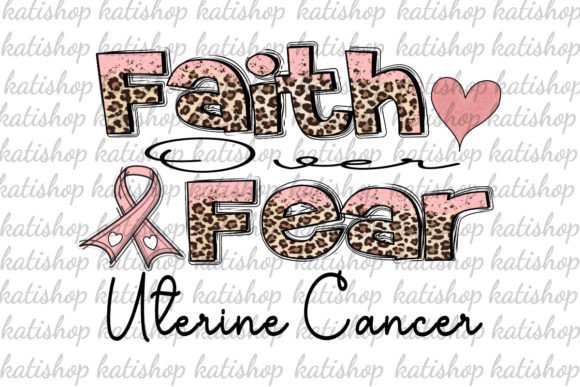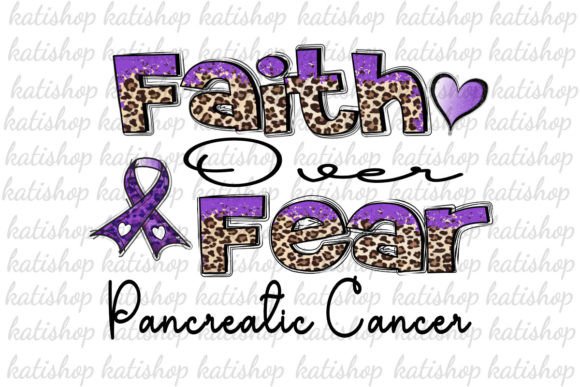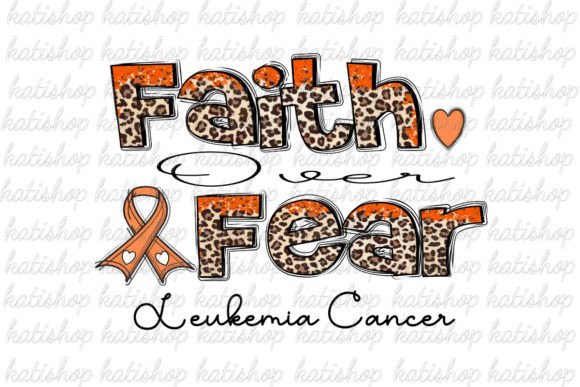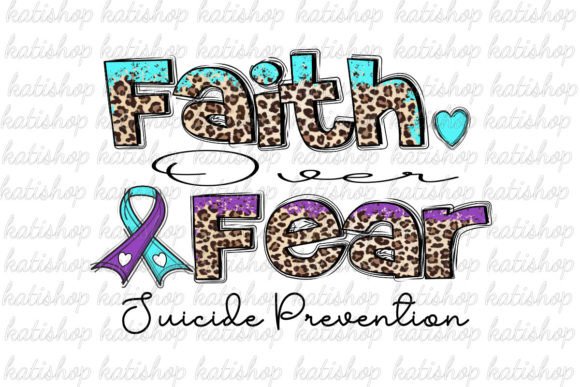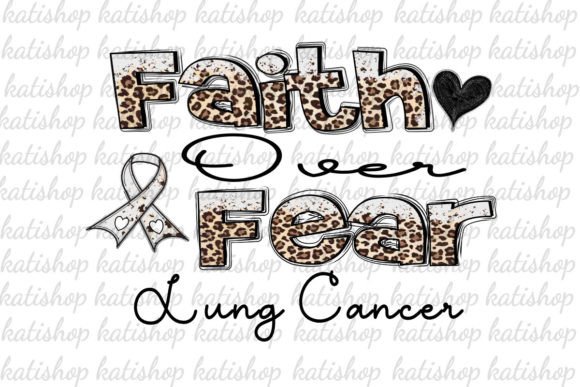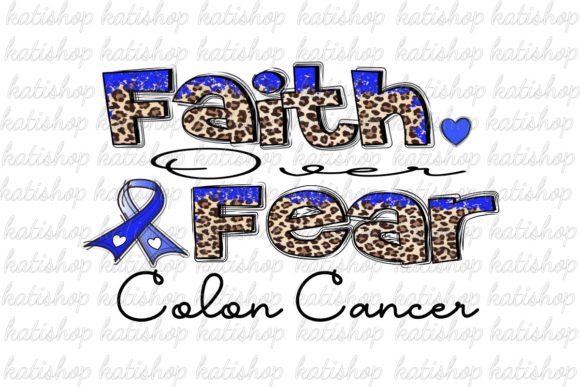
Design Review: Faith over Fear Colon Cancer Sublimation
As a designer who’s spent years in the embroidery and sublimation game, I’ve learned that a design isn’t just about looking good on screen—it has to perform well across a range of real-world applications. When I first saw “Faith over Fear Colon Cancer Sublimation,” I knew it had potential for emotional resonance and visual clarity. But how does it translate into practical use? Let’s break down what this digital embroidery file brings to the table—and where you might want to tread carefully.
First Impressions and Design Personality
The phrase “Faith over Fear” immediately signals a message of strength and resilience, especially when paired with the colon cancer theme. The design is clean, bold, and emotionally grounded—qualities that resonate well in both personal and commercial projects. It doesn’t rely on intricate details or ornate flourishes, which makes it accessible and versatile. The layout feels balanced, with enough negative space to let the text breathe while still maintaining impact.
What stands out most is the way the design communicates hope without being overly sentimental. This kind of tone works especially well for handmade products meant to support causes or serve as meaningful gifts. As an embroidery file, it reads clearly in its PNG format, with crisp lines and solid color blocks that should render well in various stitch types like satin or fill.
Real-World Application: A Tote Bag Project
Let’s say you’re preparing a custom embroidered tote bag for a local charity event focused on cancer awareness. You want something professional yet heartfelt that people can carry with them daily. That’s where “Faith over Fear Colon Cancer Sublimation” shines. Its straightforward layout adapts easily to cotton canvas or polyester blends commonly used for bags. The design doesn’t demand too much from your machine, so it stitches reliably even if you're using mid-range equipment.
I’d suggest using a 4x4 or 5x7 hoop size depending on how large you want the text to appear. For tote bags, positioning the design near the top center usually looks best, especially if you plan to add a small logo or additional text below it. The lack of tiny lettering means it won’t lose legibility after stitching, and the bold typography ensures it remains readable from a distance.
Performance Across Embroidery Projects
This design performs admirably in several common project types:
- Custom Apparel: Looks great on t-shirts, sweatshirts, and hoodies. Its simplicity allows it to work well on both front and back placements.
- Tote Bags: Ideal for creating personalized gifts or selling at craft fairs and Etsy shops.
- Pillow Covers & Aprons: Adds a powerful message to home décor items, making it perfect for boutique branding or holiday gifts.
- Printable Mockups: Since it comes as a high-quality PNG (300DPI), it integrates smoothly into digital mockups for online listings or client presentations.
- Sublimation Products: The design is specifically formatted for sublimation, which means it can be printed on mugs, tumblers, and other heat-transfer items with ease.
It also holds up well as part of a larger set of design assets, especially when building a themed collection around empowerment, health, or personal stories. The consistency in style and tone helps maintain brand recognition and professionalism across multiple product types.
Where to Use with Caution
While this design is adaptable, there are scenarios where it may not perform optimally. Here are some considerations:
- Small Hoop Sizes: If you're working with tight spaces, like baby clothes or embroidered patches, the design may need resizing or simplification. Check the minimum dimensions before committing.
- Textured or Stretchy Fabrics: The design relies on clear lines and consistent stitch density. On stretchy or uneven fabrics, the result could look less polished unless properly stabilized.
- Dark Backgrounds: The design lacks built-in thread contrast, so it’s crucial to test it on dark fabric by adjusting colors or adding outlines.
- Products with Frequent Washing: While the design itself is fine, the fabric choice becomes key. Always go with durable materials that hold up to repeated laundering.
- Curved Surfaces: Designs like these don’t always translate well to curved surfaces such as caps or hats. Consider using a curved stabilizer or adjusting the design accordingly.
Customer Reactions and Market Appeal
From a customer perspective, the message is uplifting and empowering. People often respond positively to designs that reflect personal journeys or community causes. In my experience, cause-related handmade products tend to have higher perceived value, and this one definitely fits that bill.
However, the success of the design depends heavily on how well it’s executed. If the colors are muddy or the stitches aren’t clean, the emotional impact fades. As a designer, I recommend testing it on scrap fabric first—especially if you're planning to sell it as part of your craft business or include it in Etsy listings. You’ll get a better sense of how it interacts with different thread colors and fabric textures before going full-scale.
Design Notes for Embroidery Success
Here are a few tips to help ensure the best results with “Faith over Fear Colon Cancer Sublimation”:
- Test on Scrap Fabric: Before finalizing any project, stitch the design on a sample piece to assess tension and coverage.
- Review Stitch Density: Adjust settings if needed, especially when moving between light and dark fabric backgrounds.
- Confirm Thread Contrast: Don’t assume black thread will pop on every background. Try a few options to find the most legible combination.
- Use Proper Stabilizer: A tear-away or cut-away stabilizer is recommended for woven or stretchy fabrics to prevent puckering.
- Check Licensing Terms: Remember, this is a digital graphics file intended for sublimation and similar uses. Make sure you understand the licensing agreement if you plan to resell finished products or offer digital files for sale.
- Inspect Small Details: Though the design is simple, subtle elements like spacing or line weight can affect readability. Zoom in during setup to catch issues early.
Visual Clarity and Emotional Impact
One of the biggest strengths of “Faith over Fear Colon Cancer Sublimation” is its ability to communicate a strong message without overwhelming the viewer. The text is designed with a modern, easy-to-read font that complements the overall sentiment. It avoids excessive embellishment, which is smart for ensuring stitching clarity and reducing bulk.
Visually, the design creates a sense of unity and purpose—perfect for holiday gifts, memorial pieces, or even corporate merchandise for wellness campaigns. It adds a touch of sincerity to any finished product, whether you're making a single item for a loved one or scaling up for a commercial order.
Final Thoughts for Makers and Sellers
For embroidery designers and small shop owners, “Faith over Fear Colon Cancer Sublimation” offers a solid foundation for creating meaningful, marketable products. It’s not flashy or complicated, but that’s exactly what makes it effective. It tells a story through minimalism and delivers a message that many people connect with.
That said, always remember to consider the context of your project. Will it be stitched onto a soft jersey tee or a rigid canvas tote? How will lighting affect visibility? These are the kinds of questions we ask ourselves every day to ensure our clients—and our customers—are happy with the final product.
In short, this design is a winner for those looking to add depth and intention to their custom apparel and personalized gifts. Just take the time to tailor it to your specific project needs and materials. With a little attention to detail, it can become a standout asset in your creative toolkit.